Japan Travel FAQ: 10 Questions Every First-Timer Asks (Answered)
Honest, up-to-date answers to the questions everyone asks before visiting Japan: is it cashless, will your phone work, money per day, Suica vs Pasmo, Osaka vs Kyoto base, Mount Fuji day trips, the best eSIM, food costs, tap water, and travelling with kids.
These are the questions we’re asked most before a first trip to Japan — the practical ones that decide how smoothly your holiday runs. Here are clear, current answers, each linking to a deeper guide if you want the full detail. Where a number can move (prices swing with the exchange rate, and a few 2026 rules change yearly), we’ve said so.
Is Japan cashless now?
Increasingly, yes — cashless payments passed roughly 58% in 2025, and cities, chains, convenience stores, hotels and trains all take cards, contactless and IC cards happily. But it’s not fully cashless, so still carry some cash: temples and shrines (offerings, charms, goshuin stamps), small family restaurants that run on a ticket machine, rural towns and some markets remain cash-first. The winning setup is a toolkit — an IC card for transit and small buys, a contactless card for hotels and chains, and a few thousand yen in cash as backup. 7-Eleven (7-Bank) ATMs reliably accept foreign cards 24/7.
Can I use my Australian phone in Japan?
Yes — if it’s carrier-unlocked and reasonably modern. Japan’s 4G/5G bands are widely supported by Australian handsets (Bands 1 and 3 especially overlap), so most phones from around 2018 onward work fine. Your options are a data eSIM (easiest), a physical travel SIM, or carrier roaming — check the daily roaming cost, as it adds up fast. The catches: the phone must be unlocked; very old, locked or 3G-only devices can struggle (Japan is retiring 3G); and some budget phones miss Japan’s 800MHz band, which weakens rural and indoor coverage — a Docomo-network plan helps there.
How much spending money do I need per day?
A rough guide per person, excluding your hotel. All figures are approximate and move with the exchange rate.
| Style | Per day | What that covers |
|---|---|---|
| Budget | ¥5,000–8,000 | Konbini & casual meals, IC-card local transit, mostly free/cheap sights |
| Mid-range | ¥10,000–15,000 | Restaurant meals, a couple of paid attractions, local transport |
| Comfortable | ¥20,000+ | Sit-down dinners, taxis, day trips, several attractions |
Is Suica or Pasmo better for tourists?
Neither is better — they’re essentially the same, so get whichever is convenient. Suica (run by JR) and PASMO (Tokyo’s private railways) are prepaid IC cards that behave identically: tap onto almost every train, subway and bus across the country, and pay at convenience stores and vending machines. They’re interchangeable and both work nationwide. On an iPhone you can add a Suica (or PASMO) to Apple Wallet; on Android, pick up a physical card at the airport. Tourist versions (Welcome Suica, PASMO Passport) exist too. One catch on iPhone: a foreign Visa can’t top up a Wallet Suica — recharge with cash or a Mastercard/Amex.
Is Osaka or Kyoto better as a base?
Both work well, because they’re only about 15 minutes apart by Shinkansen (Shin-Osaka to Kyoto) or roughly 30 minutes by JR Special Rapid for about ¥580 — so you can base in one and day-trip the other, which is exactly what many families do. Choose by what you want your evenings to feel like.
| Base | Strengths | Trade-offs | Best for |
|---|---|---|---|
| Osaka | Cheaper hotels; famously cheap, fun casual food; lively; superb hub for Nara, Kobe & Himeji | Less “postcard Japan”; huge, busy stations (Umeda/Namba) | Families watching budget; food lovers; day-trippers |
| Kyoto | Temples and atmosphere on your doorstep; easy early starts to beat crowds | Pricier hotels that book out fast; big crowds at famous sites | Temples, gardens and traditional ambience |
Can you visit Mount Fuji as a day trip?
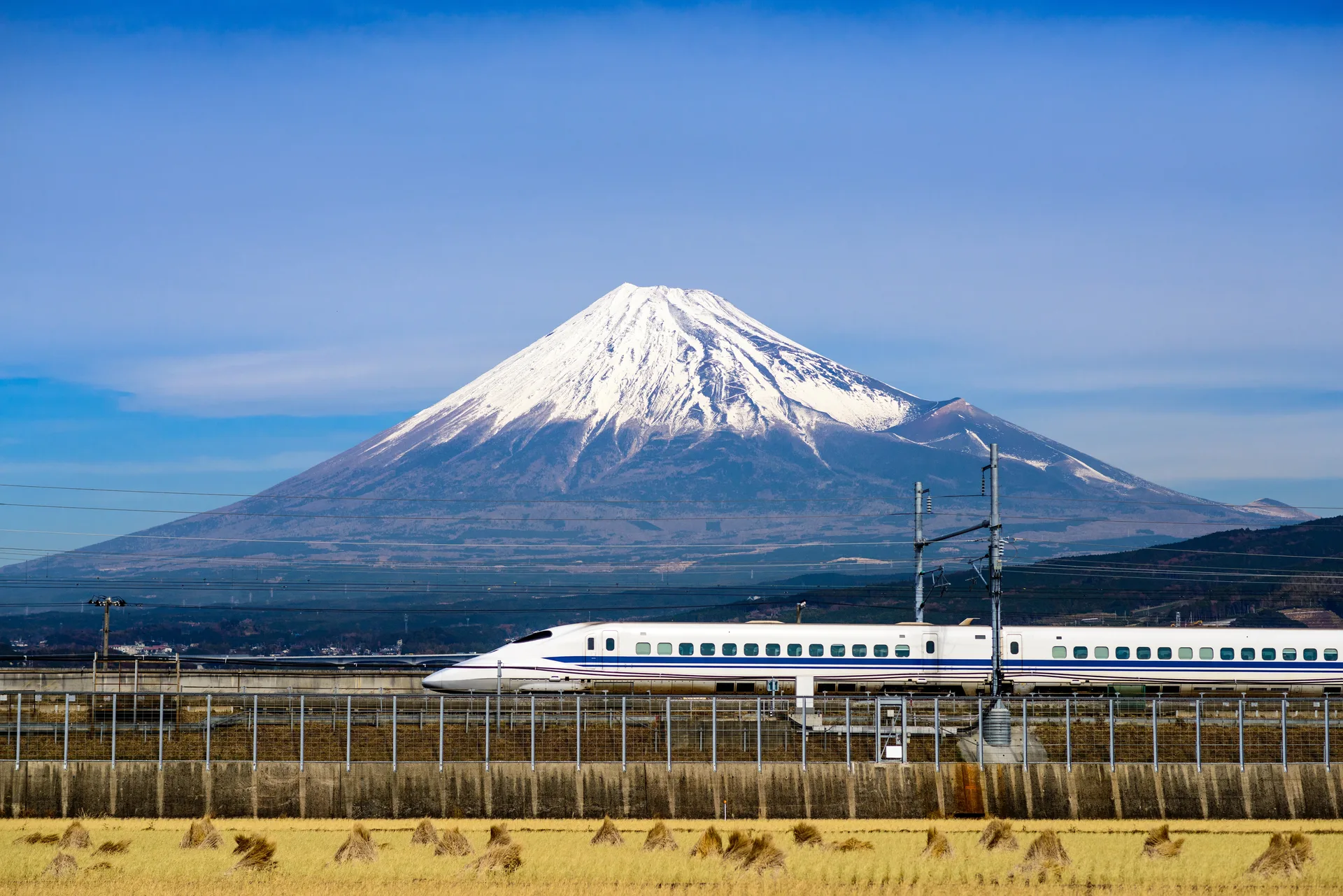
Yes — the Fuji Five Lakes area around Kawaguchiko, with those classic lake-and-Fuji views, is an easy day trip from Tokyo. A direct highway bus from Shinjuku takes about 1 hour 45 (around ¥2,000), or the Fuji Excursion limited-express train runs there in about 2 hours (around ¥4,200). Hakone is a lovely alternative, pairing onsen and lake scenery with Fuji as a backdrop. Two honest caveats: you can’t climb Fuji on a day trip — the climbing season is only early July to early September, with a mandatory fee and daily caps — and Fuji often hides behind cloud, so views are far better on clear, cooler mornings (autumn and winter) than in hazy summer.
What’s the best eSIM for Japan?
There’s no single winner — use a data-only travel eSIM and choose on network coverage and data allowance. Reputable options include Airalo, Ubigi, Sakura Mobile and Klook. Your phone needs to be unlocked and eSIM-capable (roughly iPhone XS, Pixel 3 or Galaxy S20 and newer). These are data-only — you won’t get a Japanese phone number, but you can call and message over WhatsApp, LINE or FaceTime. Network tip: if you’re heading rural or into the mountains (Fuji, Hokkaido), pick a plan on the Docomo network (Ubigi or Sakura, for example) for the widest coverage; for a city-only short trip, the cheapest plan is fine. Install it before you fly.
How much does food cost in Japan?
Eating well is genuinely affordable — one of the joys of a Japan trip. Typical prices per person:
| Meal | Rough cost |
|---|---|
| Convenience-store meal (onigiri, bento) | ¥400–700 |
| Bowl of ramen | ¥600–1,200 |
| Set lunch (teishoku) | ¥800–1,200 |
| Conveyor-belt sushi | ¥1,000–2,500 |
| Mid-range dinner out | ¥3,000–5,000 |
| Typical daily food budget | ¥4,000–7,000 (≈ A$45–75) |
Can you drink tap water in Japan?
Yes — tap water is safe to drink everywhere in Japan, including Tokyo. It meets strict national quality standards (Tokyo’s supply meets all 51 statutory standards) and locals drink straight from the tap right across the country. The taste varies slightly by region, but it’s all perfectly potable. Bring a refillable bottle — it saves money and cuts plastic, and you can top up at your hotel and at fountains around parks and stations.
Is Japan suitable for kids?
Extremely — it’s one of the easiest, safest and most rewarding countries to travel with children. Crime is very low, the trains are spotless and punctual, under-6s ride JR trains and buses free, and convenience stores everywhere mean cheap snacks and clean toilets are never far away. Stations and department stores have baby rooms, the food is kid-friendly (rice, noodles, konbini favourites), and there’s a genuine warmth toward families. The main things to plan around are the summer heat and humidity and rush-hour train crowds — both easily managed. This is exactly what we build the rest of the site to help with.
More answers
That’s the quick-fire round. For the full detail behind these answers, our deeper guides cover the apps and cards to set up before you fly, the best time of year to visit, getting around with kids, and the unspoken etiquette that makes the trip smoother — all linked below.
Book ahead for this trip
Optional, relevant experiences you can pre-book on Klook. We may earn a commission — it never changes what we recommend.
Japan Rail Pass
Confirm current price and whether it suits your route.
Japan eSIM
Tokyo Disney Resort 1-Day Pass
Skip-the-counter dated tickets.
Some links are affiliate links. If you book through them we may earn a commission at no extra cost to you — it never changes what we recommend.
Turn this into your itinerary
The planner builds a personalised, day-by-day version around your family.
Start planning →Common questions
- Is Japan cashless now?
- Increasingly, yes — over half of payments are now cashless, and cities, chains, konbini, hotels and trains take cards, contactless and IC cards. But carry some cash: temples, small ticket-machine restaurants and rural areas are still cash-first. 7-Eleven ATMs take foreign cards 24/7.
- Can I use my Australian phone in Japan?
- Yes, if it’s unlocked and reasonably modern — Japan’s 4G/5G bands are well supported by Australian phones. Use a data eSIM, a travel SIM, or carrier roaming (check the daily cost). Very old, locked or 3G-only phones can struggle, as Japan is retiring 3G.
- How much spending money do I need per day in Japan?
- Per person, excluding your hotel: roughly ¥5,000–8,000/day on a budget, ¥10,000–15,000 mid-range, and ¥20,000+ for a comfortable pace with dinners out and day trips. Figures are approximate and move with the exchange rate.
- Is Suica or Pasmo better for tourists?
- Neither — they’re essentially identical and interchangeable, and both work nationwide on trains, buses and at convenience stores. Get whichever is convenient. On iPhone you can add Suica to Apple Wallet; on Android, buy a physical card.
- Is Osaka or Kyoto better as a base?
- Both work, since they’re only ~15 minutes apart by Shinkansen. Osaka has cheaper hotels, great casual food and easy day trips to Nara, Kobe and Himeji; Kyoto puts temples and atmosphere on your doorstep but is pricier and more crowded. Many base in one and day-trip the other.
- Can you visit Mount Fuji as a day trip from Tokyo?
- Yes — the Kawaguchiko (Fuji Five Lakes) area is an easy day trip: about 1h45 by highway bus from Shinjuku (~¥2,000) or ~2 hours by the Fuji Excursion train. You can’t climb Fuji on a day trip (climbing season is July–early September), and views are best on clear, cooler mornings.
- What is the best eSIM for Japan?
- There’s no single winner — use a data-only travel eSIM (Airalo, Ubigi, Sakura Mobile and Klook are all reputable) on an unlocked, eSIM-capable phone. For rural or mountain areas, pick a Docomo-network plan for the widest coverage; install it before you fly.
- How much does food cost in Japan?
- Affordably — a konbini meal is ¥400–700, ramen ¥600–1,200, a set lunch ¥800–1,200, and a mid-range dinner ¥3,000–5,000 per person. A typical daily food budget is ¥4,000–7,000 (about A$45–75), less if you lean on convenience stores and casual spots.
- Can you drink tap water in Japan?
- Yes — tap water is safe to drink everywhere in Japan, including Tokyo. It meets strict national quality standards and locals drink it straight from the tap nationwide. Bring a refillable bottle to save money and cut plastic.
- Is Japan suitable for kids?
- Very — it’s one of the safest, easiest and most rewarding places to travel with children. Low crime, clean punctual trains (under-6s ride free), konbini everywhere, baby rooms, kid-friendly food and real warmth toward families. Plan around summer heat and rush-hour crowds.
Related guides
Keep reading
25 Japan Travel Tips That Make Your Trip Easier (And Most Tourists Don’t Know)
The apps, cards and small logistics that make Japan click — from adding Suica to your phone and reading Tabelog properly to luggage forwarding, konbini superpowers and family-friendly hacks. Deeply researched, honestly caveated, family-first.
24 min readBest Time to Visit Japan: Month-by-Month Weather, Crowds, Prices, Festivals & What to Pack
The definitive month-by-month guide to the best time to visit Japan — real weather by city, when to see cherry blossoms and autumn colour, the crowded and expensive periods to avoid, festivals through the year, and what to pack each season.
6 min readGetting around Japan with kids: the basics
Trains, IC cards, the Shinkansen, luggage forwarding and prams — a plain-English starter guide to moving around Japan with children and bags.
9 min readJapan with kids: the complete guide for Australian families
Everything an Australian family needs to plan a first trip to Japan with children — when to go, how long, where to go, budgets and the mistakes to avoid.