Best Time to Visit Japan: Month-by-Month Weather, Crowds, Prices, Festivals & What to Pack
The definitive month-by-month guide to the best time to visit Japan — real weather by city, when to see cherry blossoms and autumn colour, the crowded and expensive periods to avoid, festivals through the year, and what to pack each season.
There is no single best time to visit Japan — there’s a best time for you, and it depends on what you want the trip to feel like. Chasing cherry blossoms is a completely different holiday from skiing Hokkaido powder, catching summer fireworks, or walking Kyoto under blazing autumn maples. This guide gives you the honest month-by-month picture — real weather, how busy and pricey each period is, the festivals worth planning around, and what to pack — so you can match the month to your family.
If you want the short answer: for the best all-round balance of pleasant weather, manageable crowds and reasonable prices, aim for late October to November (autumn colour) or, if you don’t mind crowds and higher prices, late March to April (cherry blossoms). Whatever you do, try to avoid the three big domestic-travel peaks — Golden Week, Obon and New Year — when the whole country moves at once and prices spike.
One rule runs through everything below: temperatures in Japan are reliable year to year, but the exciting dates aren’t. Cherry-blossom and autumn-foliage peaks, and the exact days of Golden Week, Obon and the festivals, shift every year and are forecast annually. Treat every specific date here as "typical", and confirm the current-year forecast before you book.
The seasons at a glance
Start here, then dive into the month-by-month detail below. This is the big-picture trade-off between weather, crowds and cost.
| Season | Weather | Crowds & price | Best for |
|---|---|---|---|
| Spring (Mar–May) | Mild, mostly dry; chilly early, warm by May | Very high at blossom time & Golden Week | Cherry blossoms, gardens, comfortable sightseeing |
| Summer (Jun–Aug) | Rainy season Jun–mid-Jul, then hot & humid (30–35°C); typhoons build | High at Obon; otherwise moderate | Festivals, fireworks, Hokkaido, beaches |
| Autumn (Sep–Nov) | Hot easing to crisp and clear; low humidity by late Oct | Moderate, rising at foliage peak | Autumn colour, hiking, the best all-round weather |
| Winter (Dec–Feb) | Cold, dry and sunny in Tokyo; deep snow up north | Low except New Year | Skiing, powder, onsen, illuminations, value |
When should you go? Try the tool
Rather than read all twelve months, tell us what matters most for your trip — blossoms, autumn colour, snow, festivals, fewer crowds, best value, comfortable weather or a beach — and we’ll point you to the best months, with the honest trade-offs.
Interactive
When should you go to Japan?
Pick what matters most for your trip and we’ll point you to the best months — with the honest trade-offs.
Pick one or more above to see your best months.
A planning guide, not a guarantee — blossom, foliage and festival dates shift every year, so confirm the current-year forecasts and calendars before you book.
Japan weather by month (average high / low °C)
These are long-term climate normals, so they’re a dependable guide year to year. Notice how different the north (Sapporo) and south (Naha, Okinawa) are from the main cities — Japan spans a huge climate range, and "Japan in winter" means snow in Hokkaido and mild spring-like days in Okinawa at the same time.
| Month | Tokyo | Kyoto | Sapporo (north) | Naha / Okinawa (south) |
|---|---|---|---|---|
| January | 10 / 2 | 9 / 2 | −1 / −8 | 20 / 15 |
| February | 11 / 3 | 10 / 2 | −1 / −8 | 20 / 15 |
| March | 14 / 5 | 14 / 4 | 3 / −3 | 22 / 17 |
| April | 19 / 10 | 20 / 9 | 11 / 4 | 24 / 19 |
| May | 24 / 15 | 25 / 15 | 17 / 9 | 27 / 22 |
| June | 26 / 19 | 28 / 19 | 21 / 14 | 30 / 25 |
| July | 30 / 23 | 32 / 24 | 25 / 18 | 32 / 27 |
| August | 31 / 24 | 34 / 25 | 26 / 19 | 32 / 27 |
| September | 28 / 21 | 29 / 21 | 22 / 14 | 31 / 26 |
| October | 22 / 15 | 23 / 14 | 16 / 8 | 28 / 24 |
| November | 17 / 10 | 17 / 8 | 8 / 1 | 25 / 20 |
| December | 12 / 5 | 12 / 4 | 1 / −5 | 22 / 17 |
January
Cold, dry and famously sunny in Tokyo (highs around 10°C), with crisp clear skies — but genuinely freezing up north, where Sapporo sits below zero and snow falls daily. Okinawa is mild and spring-like at ~20°C. The New Year period (roughly 29 December to 3 January) brings closures and busy domestic travel and the packed hatsumōde shrine visits; after about the 4th it quietens into one of the calmer, better-value stretches of the year. Prime powder-skiing and onsen season.
February
Japan’s coldest feel, alongside January, but still dry and bright in Tokyo — and plum blossoms (ume) start the pre-spring. It’s peak snow season: Sapporo hosts its spectacular Snow Festival in early February, and the powder is at its best in Hokkaido and the Japan Alps. Crowds and prices are low outside the festival, making February a quietly excellent value month for winter scenery, snow play and hot springs.
March
The turn of the season: warming and changeable, with cherry blossoms opening in the southern and central cities late in the month. Early March is still chilly, especially mornings and up north, where Sapporo hangs near freezing. It’s a lovely, less-crowded window right up until the blossoms arrive and the crowds (and prices) build. Hina Matsuri, the Dolls’ Festival, falls on 3 March.
April
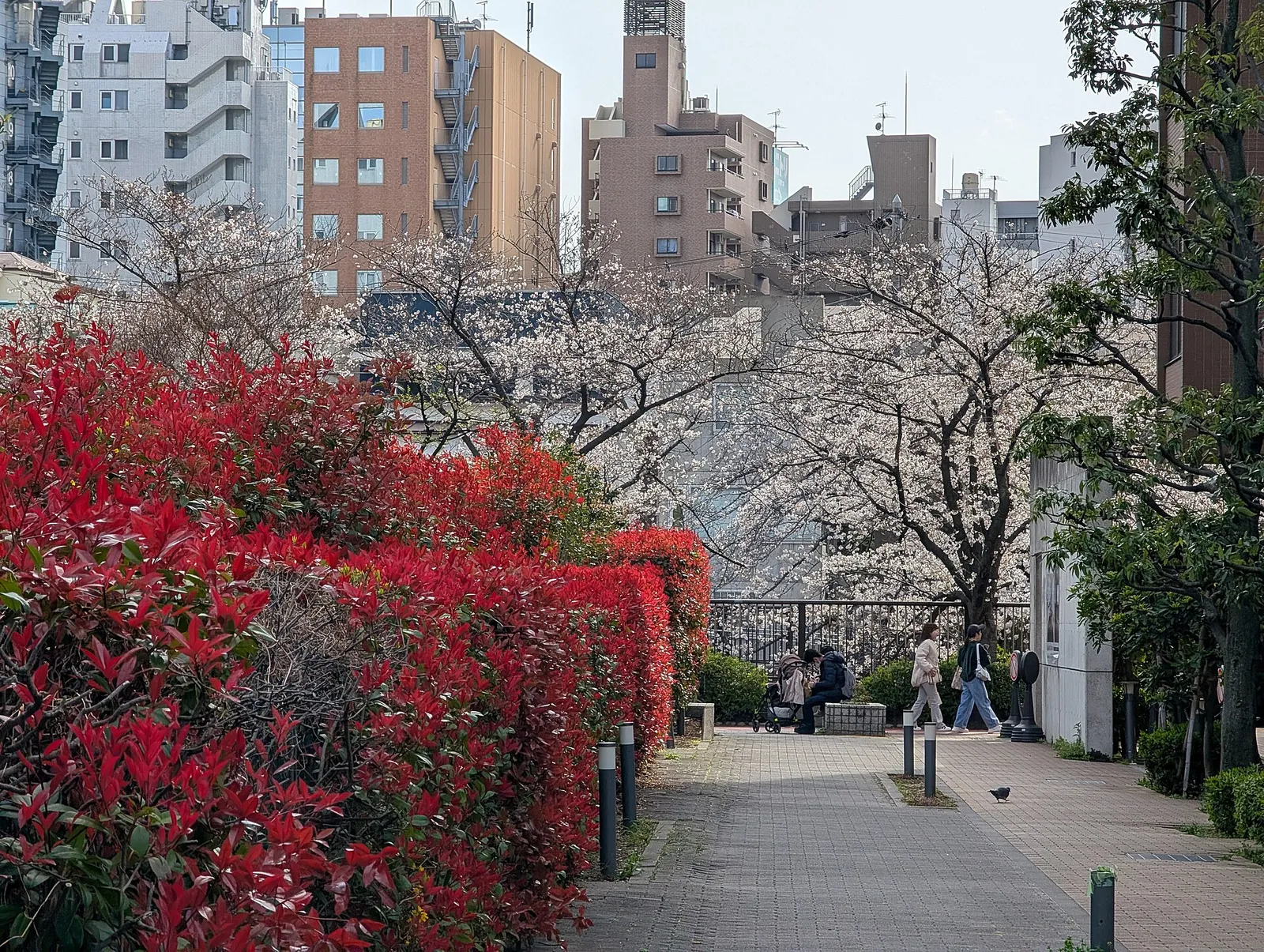
The signature spring month — mild, pleasant Tokyo days around 19°C and, typically, peak cherry blossom in Tokyo, Kyoto and Osaka in the first week or so (Hokkaido waits until late April into May). It is beautiful and it is busy: this is the most crowded, most expensive non-holiday period, and hotels in Tokyo and Kyoto book out months ahead. Then Golden Week begins at the end of the month. If you want the blossoms, plan early and check the current-year bloom forecast.
May
One of the best months to be in Japan — warm, comfortable and generally dry, with lush greenery before the rains. The catch is Golden Week at the start (roughly 29 April–5 May), a major domestic-travel peak when transport, hotels and attractions are jammed and prices spike. Travel just after Golden Week and you get gorgeous weather with far smaller crowds — excellent value. Kyoto’s elegant Aoi Matsuri (15 May) and Tokyo’s lively Sanja Matsuri (third weekend) are highlights.
June
The rainy season (tsuyu) settles over most of the country — humid, often overcast, with showery spells and blooming hydrangeas. It’s not a washout (rain tends to come in bursts, not all day), and the trade-off is real: fewer crowds and softer prices in early-to-mid June before the summer peak. Bring good rain gear. Hokkaido is largely spared the rainy season and is delightful now, and Okinawa’s rains usually clear by late June.
July
Once tsuyu lifts around mid-to-late July, summer arrives hot and humid, with strong sun and Tokyo highs around 30°C (Kyoto and Osaka hotter still). It’s festival season at its best: Kyoto’s Gion Matsuri runs all month with grand float parades on the 17th and 24th, Osaka’s Tenjin Matsuri (24–25th) ends in fireworks, and Tokyo’s Sumida River fireworks light up late July. Hydrate, plan indoor breaks in the afternoon heat, and consider cool Hokkaido.
August
Peak heat and humidity — Tokyo around 31°C and Kyoto/Osaka sweltering near 34°C, with warm "tropical nights" and typhoon risk. It’s also the richest month for festivals and fireworks: Aomori’s Nebuta (2–7th), Tokushima’s Awa Odori (mid-month), and Kyoto’s mountainside Daimonji bonfires (16th). But mid-August is Obon, a huge return-home travel period when trains, flights and hotels fill and some businesses close. Hokkaido stays the coolest big-city refuge.
September
Still hot early on, easing through the month — but it’s Tokyo’s rainiest month and the peak of typhoon season, so build in flexibility. The upside is a genuine post-Obon lull: lower crowds and prices than summer or autumn peak. Early autumn colour begins in the Hokkaido highlands. A good-value month for travellers who can pack a rain plan and watch the storm forecasts.
October
One of the best months of the year: cooler, drier and very pleasant, with low humidity and fading typhoon risk by late month. Tokyo sits around a comfortable 22°C, Hokkaido turns crisp and colourful, and Okinawa is still warm enough for the beach. Takayama’s beautiful Autumn Festival falls on 9–10 October. Crowds and prices are moderate — noticeably easier than cherry-blossom season for similar-quality weather.
November
The classic autumn-foliage month, and our top all-round pick for families. Cool, clear, comfortable Tokyo days around 17°C, low humidity, minimal typhoon risk — and spectacular colour, with Kyoto and Tokyo typically peaking mid-to-late November into early December. Crowds rise around the foliage peak (especially in Kyoto) but stay below cherry-blossom levels. As with sakura, the exact peak is forecast each year, so check before locking in dates.
December
Cold, dry and sunny in Tokyo (highs ~12°C), with winter illuminations everywhere and the ski season opening in Hokkaido and the Alps. Early December is calm and good value — late southern foliage, crisp air, festive lights — right up until the New Year rush. From around 29 December, expect heavy domestic travel and widespread closures through to about 3 January, so plan carefully if you’re travelling over the turn of the year.
Cherry blossom season, honestly
Cherry blossoms (sakura) sweep from south to north. In the main cities — Tokyo, Kyoto, Osaka — first blooms typically open in late March and reach full bloom (mankai) in early April; Fukuoka is a few days earlier, and Sapporo and Hokkaido not until late April into early May. The catch every first-timer needs to hear: peak viewing lasts only about a week, it’s weather-sensitive, and the bloom date shifts substantially from year to year.
So don’t book a non-refundable "blossom trip" around last year’s dates. The official forecasts are updated from around January to March each year — check the current-year forecast, build in a few days’ buffer around the predicted peak, and remember that even a "missed" peak still usually means beautiful early or late blooms somewhere within reach by train. And accept the trade-off: this is the most crowded and expensive non-holiday period, so book accommodation months ahead.
Autumn foliage (kōyō) timing
Autumn colour runs the opposite way to the blossoms — north to south, and high mountains to low cities — over about two and a half months. Hokkaido’s highlands turn first (mid-to-late September), the mountains and Tohoku through October, and Tokyo and Kyoto typically peak mid-to-late November, with Kyoto’s famous maples holding into early December. Like sakura, it’s forecast annually (official koyo forecasts start publishing from September), so re-check for your travel year. For most families chasing colour, mid-to-late November in the Kyoto–Tokyo corridor is the sweet spot.
Crowds and prices: when to avoid, when to save
The biggest lever on cost and comfort isn’t the weather — it’s the domestic-travel calendar. Three periods see the whole country travel at once, and one more (cherry blossom) draws the world. Here’s what to avoid and where the value hides.
| Period | Typical timing | What happens | Advice |
|---|---|---|---|
| Cherry blossom | Late March–early April | Busiest non-holiday period; hotels book out months ahead; prices high | Book very early, or skip the peak by a week |
| Golden Week | ~29 April–5 May | A cluster of national holidays; domestic travel peak; transport & hotels jammed | Avoid, or reserve everything far ahead |
| Obon | Mid-August (~13–16) | Return-home travel; packed trains/flights; some businesses close | Don’t travel between cities those days; book ahead |
| New Year | ~29 Dec–3 Jan | Domestic travel plus widespread closures of shops, restaurants & attractions | Expect closures; plan meals and days carefully |
| Value windows | Feb · early June · September · early December | Lower crowds and prices (with weather trade-offs) | The savvy shoulder months — pack for the season |
Festival calendar through the year
Timing your trip to a great matsuri (festival) is one of the joys of Japan. These are some of the most spectacular, with their host city and typical timing — but festival dates shift and some move to weekends, so always confirm the exact dates for your travel year.
| Month | Event | Where | Typical timing |
|---|---|---|---|
| January | Hatsumōde (first shrine visits) | Nationwide | ~1–3 Jan |
| February | Sapporo Snow Festival | Sapporo | Early February |
| February | Setsubun (bean-throwing) | Nationwide | 3 February |
| March | Hina Matsuri (Dolls’ Festival) | Nationwide | 3 March |
| April | Takayama Spring Festival | Takayama | 14–15 April |
| May | Aoi Matsuri | Kyoto | 15 May |
| May | Sanja Matsuri | Asakusa, Tokyo | Third weekend of May |
| July | Gion Matsuri | Kyoto | All July (parades 17 & 24) |
| July | Tenjin Matsuri | Osaka | 24–25 July |
| July | Sumida River Fireworks | Tokyo | Late July |
| August | Aomori Nebuta | Aomori | 2–7 August |
| August | Awa Odori | Tokushima | ~12–15 August |
| August | Gozan Okuribi (Daimonji) | Kyoto | 16 August |
| October | Takayama Autumn Festival | Takayama | 9–10 October |
| November | Shichi-Go-San (children’s day of celebration) | Nationwide | 15 November |
| December | Winter illuminations | Nationwide | Through December |
The best time to visit Japan with kids
For families, we’d weigh it like this. Autumn (October–November) is the strongest all-round choice: comfortable temperatures, low humidity, little typhoon risk by late October, glorious colour, and crowds and prices below the cherry-blossom peak. Spring (late March–April) is magical for the blossoms and gardens and has mild weather, but it’s the busiest and priciest non-holiday window, so only choose it if you’ll book months ahead.
May after Golden Week is a lovely, quieter, warm shoulder. Summer is hard on young children — genuinely hot and humid with a rainy-season start and typhoon risk — but it’s the best time for festivals and fireworks, and cool Hokkaido is ideal; just avoid the Obon peak. Winter (outside New Year) is superb for snow play, family-friendly skiing and onsen, with fewer crowds and good value. Across the board, the one thing to plan around is the three big domestic peaks.
What to pack, by season
Japan is very foot-intensive travel, so comfortable, broken-in walking shoes and a compact umbrella belong in every suitcase, whatever the month. Beyond that, pack for the season — and remember that buildings are strongly heated in winter and air-conditioned in summer, so removable layers make indoor–outdoor swings comfortable.
| Season | What the weather does | Pack |
|---|---|---|
| Spring | Mild days, chilly mornings/evenings; spring showers | Layers, a light jacket, a warmer mid-layer, compact umbrella |
| Summer | Hot & humid 30–35°C; rainy season Jun–mid-Jul; typhoons Aug–Sep | Breathable clothes, sun hat & sunscreen, water bottle, hand fan/cooling towel, proper rain gear, a light layer for fierce AC |
| Autumn | Warm easing to crisp; some early rain | Layers, a light-to-medium jacket, umbrella, good walking shoes |
| Winter | Cold, dry, sunny in Tokyo; snowy & freezing up north | Warm coat, hat/gloves/scarf, waterproof grippy boots for snow, removable layers for heated interiors |
The short version
- Best all-round: late October–November (autumn colour, comfortable weather, moderate crowds).
- For blossoms: late March–early April — beautiful but busiest and priciest; book months ahead and check the current-year forecast.
- Best value: February, early June, September and early December (each with a weather trade-off).
- For snow, skiing and onsen: December–February (deepest powder Jan–Feb) — but avoid the New Year peak.
- For festivals and fireworks: July–August — hot and humid, so plan around the heat and avoid Obon.
- Always avoid, or book very early around, the three domestic peaks: Golden Week, Obon and New Year.
- Temperatures are dependable; blossom, foliage and festival dates shift yearly — always confirm the current-year forecast.
Book ahead for this trip
Optional, relevant experiences you can pre-book on Klook. We may earn a commission — it never changes what we recommend.
Some links are affiliate links. If you book through them we may earn a commission at no extra cost to you — it never changes what we recommend.
Turn this into your itinerary
The planner builds a personalised, day-by-day version around your family.
Start planning →Common questions
- What is the best time of year to visit Japan?
- For the best balance of pleasant weather, manageable crowds and reasonable prices, late October to November (autumn colour) is our top all-round pick. Late March to April is magical for cherry blossoms but is the busiest and most expensive non-holiday period. Whenever you go, avoid the three domestic-travel peaks — Golden Week, Obon and New Year.
- When is cherry blossom season in Japan?
- In the main cities (Tokyo, Kyoto, Osaka), cherry blossoms typically open in late March and reach full bloom in early April; Fukuoka is a little earlier and Hokkaido not until late April into early May. Peak viewing only lasts about a week and the date shifts each year, so check the current-year forecast (updated from around January) and build in a buffer.
- When is the best time to see autumn leaves in Japan?
- Autumn colour moves north to south and high to low over about two and a half months. Hokkaido and the high mountains turn first (September–October), while Tokyo and Kyoto usually peak mid-to-late November into early December. It’s forecast annually, so confirm for your travel year — mid-to-late November in the Kyoto–Tokyo area is the reliable sweet spot.
- What is the cheapest time to visit Japan?
- The best-value shoulder windows are February (cold but quiet), early-to-mid June (before peak summer, during the rainy season), September (post-Obon, some typhoon risk) and early December (before the New Year rush). Each trades something on weather for lower crowds and prices. Avoid Golden Week, Obon and New Year, when prices spike.
- When should I avoid visiting Japan?
- Avoid the three big domestic-travel peaks unless you book far ahead: Golden Week (roughly 29 April–5 May), Obon (mid-August) and New Year (about 29 December–3 January). Transport and hotels fill up and prices rise, and over New Year many shops, restaurants and attractions close. Cherry-blossom season is also very crowded and expensive.
- What is the weather like in Japan in summer?
- Summer is hot and humid. The rainy season (tsuyu) runs from about early June to mid/late July on the main islands, then July and August bring heat and heavy humidity — Tokyo around 30–31°C and Kyoto/Osaka near 34°C — with typhoon risk building into September. Hokkaido stays noticeably cooler and is a great summer option.
- When is the rainy season in Japan?
- The rainy season (tsuyu) typically runs from around early June to mid or late July across the main islands (Honshu). Okinawa is earlier, from about May, and Hokkaido barely has a rainy season. Rain tends to come in bursts rather than all day, so with good rain gear early June can be a quieter, better-value time to travel.
- Is it a good idea to visit Japan in winter?
- Yes — winter (December–February) is excellent for snow play, family-friendly skiing and onsen, and Tokyo stays cold but dry and sunny. Crowds and prices are generally low and the powder up north is world-class, with the deepest snow in January–February. The one period to plan carefully around is New Year (about 29 December–3 January), when many places close.
Related guides
Keep reading
Japan with kids in January: weather, closures and a real plan
What January is actually like in Japan with children — weather by region, New Year (Oshogatsu) closures around 29 Dec–3 Jan, Coming of Age Day, peak powder skiing, indoor options and a January-specific family plan.
9 min readJapan with kids during Australian school holidays
Which Australian school-holiday window suits a Japan family trip — April, June/July, September/October and December/January — with Japanese weather, crowds, prices, skiing and what to book early. Includes verified 2026 term-break dates.
5 min readSun, heat and hydration with kids in a Japanese summer
How to keep children safe in Japan’s hot, humid summer — recognising heat exhaustion, staying hydrated, timing your days, and using cool-down tricks locals rely on.
20 min read25 Japan Travel Tips That Make Your Trip Easier (And Most Tourists Don’t Know)
The apps, cards and small logistics that make Japan click — from adding Suica to your phone and reading Tabelog properly to luggage forwarding, konbini superpowers and family-friendly hacks. Deeply researched, honestly caveated, family-first.