Japan with kids in January: weather, closures and a real plan
What January is actually like in Japan with children — weather by region, New Year (Oshogatsu) closures around 29 Dec–3 Jan, Coming of Age Day, peak powder skiing, indoor options and a January-specific family plan.
January can be a wonderful time to take children to Japan — crisp, dry, sunny days on the Pacific side, the best powder snow of the year in the north, and a genuinely special New Year atmosphere — but it comes with two things you must plan around: the cold, and the New Year shutdown. Get those right and it’s a brilliant month; ignore them and you’ll hit closed museums and freezing kids. Here’s the honest picture, with dates for the upcoming January where they’re officially confirmed and clearly separated from typical seasonal patterns.
Weather by region
It varies enormously by where you go, so pack for the specific regions on your route:
- Tokyo (Kanto): typically ~10°C high / ~2°C low — cold, crisp, mostly dry and sunny (one of the driest months). Central-city snow is uncommon.
- Kyoto/Osaka (Kansai): ~9°C high / ~3°C low; Kyoto colder at night in its basin, with occasional brief snow dustings that make temples photogenic but rarely disrupt travel.
- Sapporo/Hokkaido: deep midwinter, roughly ~-1°C high / ~-8°C low, with heavy, frequent snow and continuous cover — superb for snow play and skiing; dress for serious cold.
- Okinawa: mild and subtropical, ~19°C high / ~14°C low — a warm escape, though the sea is too cool for most swimming.
Daylight and clothing
Days are short — plan to be somewhere warm by late afternoon. Layers are the answer: thermals, a warm mid-layer and a windproof outer, plus hats and gloves for everyone (essential in Hokkaido; useful even in Tokyo). Indoor heating is strong, so easy-to-shed layers keep kids comfortable moving between cold streets and warm trains.
New Year closures — the big one
The New Year (Oshogatsu) shutdown runs roughly 29 December – 3 January, with 1 January the most widely closed day (some closures extend to the 4th). Expect many museums, some gardens and castles, banks/ATMs and a lot of independent shops and restaurants to close for several days. What stays open: temples and shrines (open throughout and extremely busy for hatsumode, the first shrine visit), convenience stores, many chain and hotel restaurants, and major malls (often from 2 January). Trains and shrines are packed, and there are big domestic travel peaks (29–31 Dec leaving cities, 2–4 Jan returning) with higher accommodation prices. If your trip spans this window, plan outdoor sights, shrine visits, parks and open malls for those days, and save museum days for after the 3rd.
Japanese holidays, crowds and events
Japanese schools are on a two-week winter break around New Year, so early January is busy. Coming of Age Day (Seijin no Hi) is a public holiday on the second Monday of January — 12 January 2026 and 11 January 2027 — making a long weekend; you’ll see young adults in kimono. Bright spots for kids: hatsumode’s festival food stalls, city-wide winter illuminations through January, and (late January into February) Hokkaido’s ice and snow festivals.
Skiing and snow
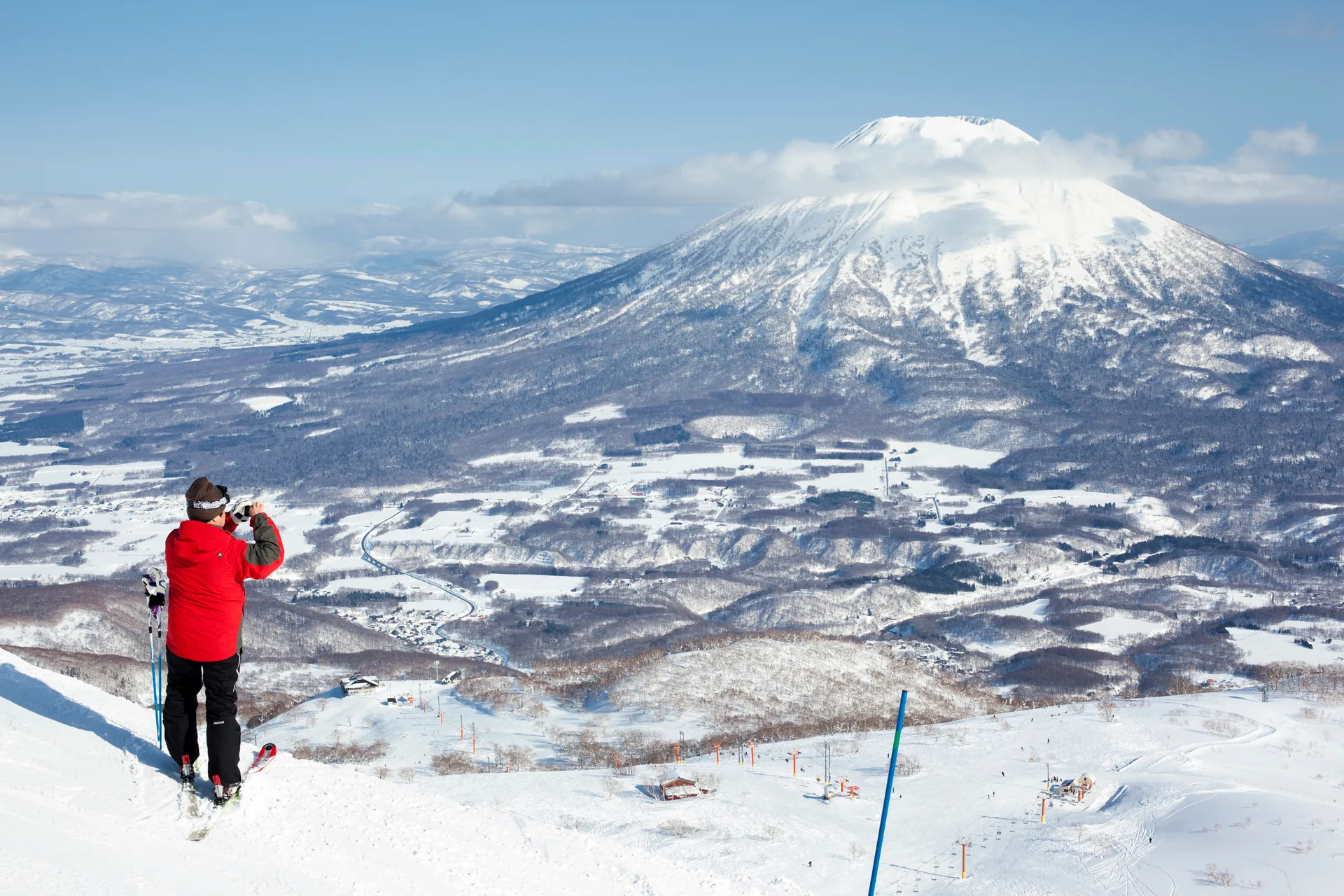
January is peak powder: Hokkaido (Niseko, Rusutsu) and Nagano (Hakuba, Nozawa, Shiga Kogen) get frequent dry snow and the most reliable cover of the season — the best month for snow quality. The trade-off is that it’s the busiest, priciest window and genuinely cold on the mountain, so book childcare and family lessons months ahead (see our English-childcare guide) and pack proper cold-weather gear.
Does January suit your kids?
Babies and toddlers: fine if you keep them warm and lean on indoor attractions, but the cold and New Year closures mean more planning; a warmer base (Tokyo over Hokkaido) is easier. Primary kids: a great month — snow play, indoor science/aquariums, and the novelty of New Year. Teenagers: skiing, city illuminations and the buzz of hatsumode land well. A sensible January shape: a few Tokyo days (indoor anchors + a snow day trip or an illumination evening), then either a Hokkaido/Nagano ski leg or a warm Okinawa finish — then let the free planner pace it around your dates and the closure window.
Book ahead for this trip
Optional, relevant experiences you can pre-book on Klook. We may earn a commission — it never changes what we recommend.
Some links are affiliate links. If you book through them we may earn a commission at no extra cost to you — it never changes what we recommend.
Turn this into your itinerary
The planner builds a personalised, day-by-day version around your family.
Start planning →Common questions
- Is January a good time to visit Japan with kids?
- Yes, if you plan around the cold and the New Year shutdown. You get crisp, dry, sunny days in Tokyo, the best powder of the year up north, and a special New Year atmosphere — but many museums and shops close roughly 29 Dec–3 Jan.
- What closes over New Year in Japan?
- Many museums, some gardens/castles, banks and independent shops/restaurants close for several days around 1 January. Temples/shrines, convenience stores, chain restaurants and major malls (often from 2 Jan) stay open — plan outdoor and shrine days for that window.
- Does it snow in Tokyo in January?
- Rarely in the central city — January is cold but mostly dry and sunny in Tokyo. For reliable snow, head to Hokkaido or the Nagano/Niigata ski areas.
Related guides
Keep reading
Japan ski resorts with English-language childcare (verified)
Which Japanese ski resorts genuinely offer English-language childcare for young children — Niseko, Rusutsu, Club Med Kiroro, Myoko and more — with ages accepted, what’s daycare versus ski lessons, and why you must book early.
9 min readJapan with kids during Australian school holidays
Which Australian school-holiday window suits a Japan family trip — April, June/July, September/October and December/January — with Japanese weather, crowds, prices, skiing and what to book early. Includes verified 2026 term-break dates.
6 min readTokyo on a rainy day with kids
The best indoor picks for a wet day in Tokyo with children — teamLab, Small Worlds, aquariums, hands-on museums, indoor play barns and character cafés that turn rain into a highlight.
5 min readWhat to wear in Japan by season with kids
A season-by-season guide to dressing children for Japan — spring, summer, autumn and winter — with layering tips and what to buy locally.