Theme-park height restrictions explained
How Japanese theme parks handle height limits, which parks suit toddlers versus thrill-seekers, and practical tips to avoid heartbreak at the ride entrance.
How height limits work in Japan
Japanese theme parks take ride safety seriously, and height is the main gatekeeper. Most rides post a minimum height, and some also have a maximum or require an accompanying adult for kids below a certain mark. Measurements are in centimetres, and staff do check — a child who is a centimetre short will be turned away, however disappointed.
The limits fall into rough bands: many gentle rides open up around 90–100cm, mid-range rides around 110–120cm, and the biggest coasters often sit at 130cm and up. Always confirm specifics on the park page for current details, as they vary ride by ride.
- Under ~90cm: mostly character areas, shows and toddler rides.
- ~100–110cm: many family rides open up, often with an adult.
- ~120cm: a lot of mid-tier coasters become accessible.
- 130cm and above: the big thrill coasters.
Which parks suit which kids
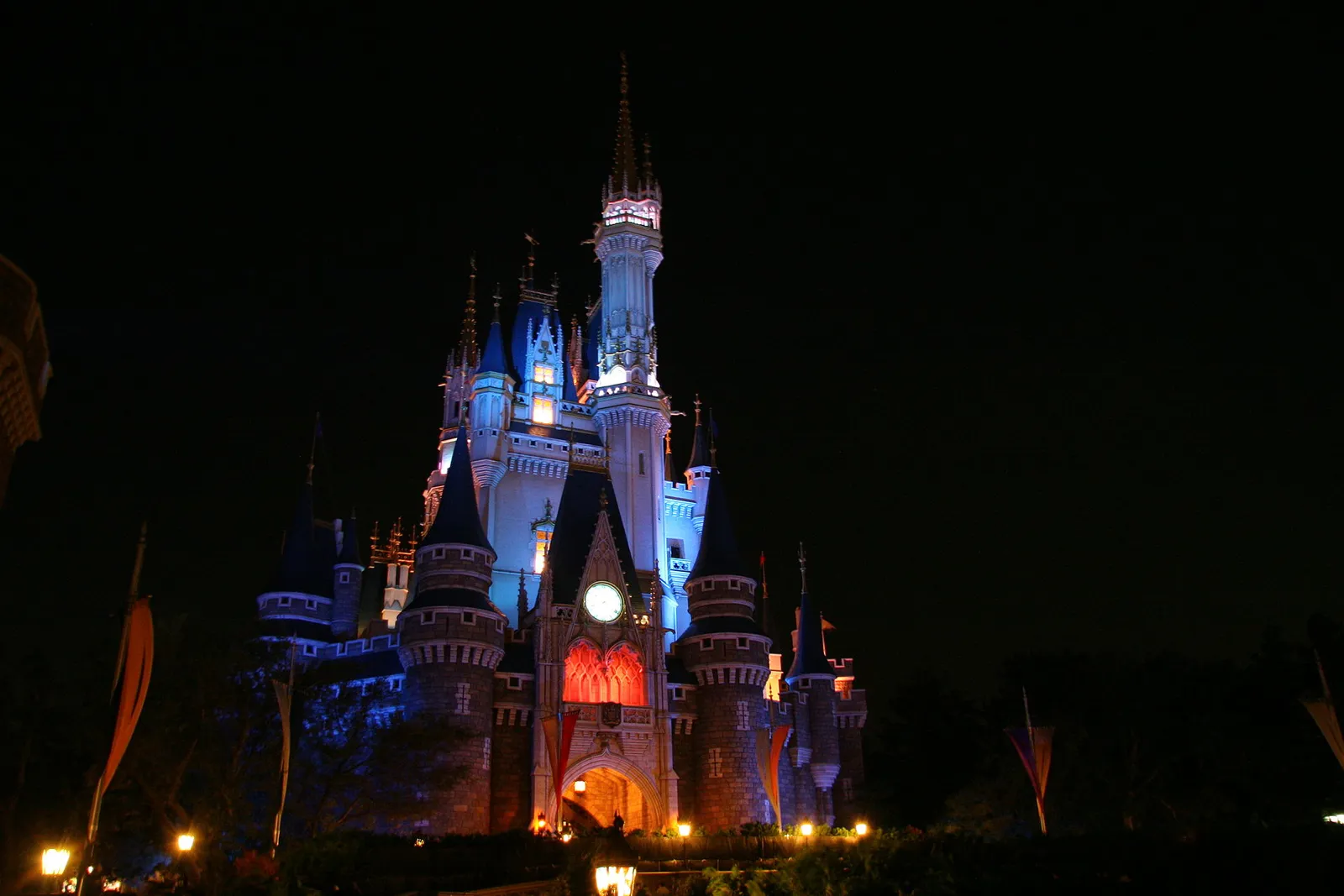
For toddlers, character-led and play-focused parks avoid the height-limit heartbreak almost entirely — think Sanrio Puroland and the Anpanman museums, where the point is atmosphere and gentle fun rather than tall rides. Tokyo Disneyland also has a generous share of no-limit and low-limit attractions.
For thrill-seekers, the trade-off flips: Fuji-Q Highland, Nagashima Spa Land and Greenland are built around big coasters with high minimums, which is exactly why teens love them and why they frustrate families with little ones. Hirakata Park and Himeji Central Park sit nicely in the middle with a spread across the bands.
Practical tips to avoid tears
A little preparation saves a lot of disappointment at the ride gate. Measure your kids before you go, and remember that thick-soled shoes won't help — staff measure honestly.
At the big parks, many rides offer a rider-swap system so two adults can take turns while one waits with a child who's too small, meaning nobody has to miss out entirely.
- Measure each child at home and note it in centimetres.
- Check headline rides' limits on the park page before committing a day.
- Ask about rider-swap or parent-swap options at the big parks.
- Build in gentle rides and shows so shorter kids still have wins.
Parks in this guide
Each links to its full family guide, with ticket strategy and add-to-itinerary.
Fuji-Q Highland
Fujiyoshida, Yamanashi
Amusement parkNagashima Spa Land
Kuwana, Mie
Amusement parkGreenland
Arao, Kumamoto
Amusement parkHirakata Park
Hirakata, Osaka
Amusement parkHimeji Central Park
Himeji, Hyogo
Amusement parkYomiuriland
Inagi (Tokyo) / Kawasaki border, Tokyo
Major theme parkTokyo Disneyland
Urayasu, Chiba
Major theme parkTokyo DisneySea
Urayasu, Chiba
Major theme parkUniversal Studios Japan
Osaka, Osaka
Major theme parkSuper Nintendo World
Osaka, Osaka
Character parkSanrio Puroland
Tama, Tokyo
Amusement parkTokyo Dome City Attractions
Bunkyo, Tokyo
Book ahead for this trip
Optional, relevant experiences you can pre-book on Klook. We may earn a commission — it never changes what we recommend.
Tokyo Disney Resort 1-Day Pass
Skip-the-counter dated tickets.
Universal Studios Japan tickets
Super Nintendo World / USJ Express
Some links are affiliate links. If you book through them we may earn a commission at no extra cost to you — it never changes what we recommend.
Turn this into your itinerary
The planner builds a personalised, day-by-day version around your family.
Start planning →Common questions
- My child is right on the height limit — will they let them on?
- Only if they measure up on the day, at the ride. Staff measure carefully and won't round up, so if your child is borderline, expect some rides to be a no. Chunky shoes won't tip the balance — the check is done properly.
- Is there a way for parents to ride if one child is too short?
- Yes, many larger parks like Universal Studios Japan and the Disney parks run a rider-swap system. One adult waits with the small child while the other rides, then they switch without queuing again. Ask staff at the ride entrance.
- Which parks have the fewest height headaches for toddlers?
- Character and play parks such as Sanrio Puroland and the Anpanman children's museums have very few height barriers, since they're built around gentle experiences. They're the safest bet for a happy day with a very young child.
Related guides
Keep reading
The best theme parks in Japan for families
An honest, region-by-region guide to Japan's best family theme parks — how to choose the right one for your kids' ages, and the standouts worth planning a day around.
6 min readTokyo Disneyland vs DisneySea with children
An honest comparison of Tokyo's two Disney parks — which suits toddlers, which suits older kids, and how DisneySea's Fantasy Springs changes the picture.
6 min readUniversal Studios Japan with kids
A practical family guide to USJ in Osaka — handling the crowds, whether Express Passes are worth it, and what to expect from Harry Potter, Minion Park and Super Nintendo World.
6 min readHow to visit Super Nintendo World
Super Nintendo World is an area inside Universal Studios Japan, not a separate park. Here's how Area Timed Entry Tickets and Express Passes actually work, and how to get in.