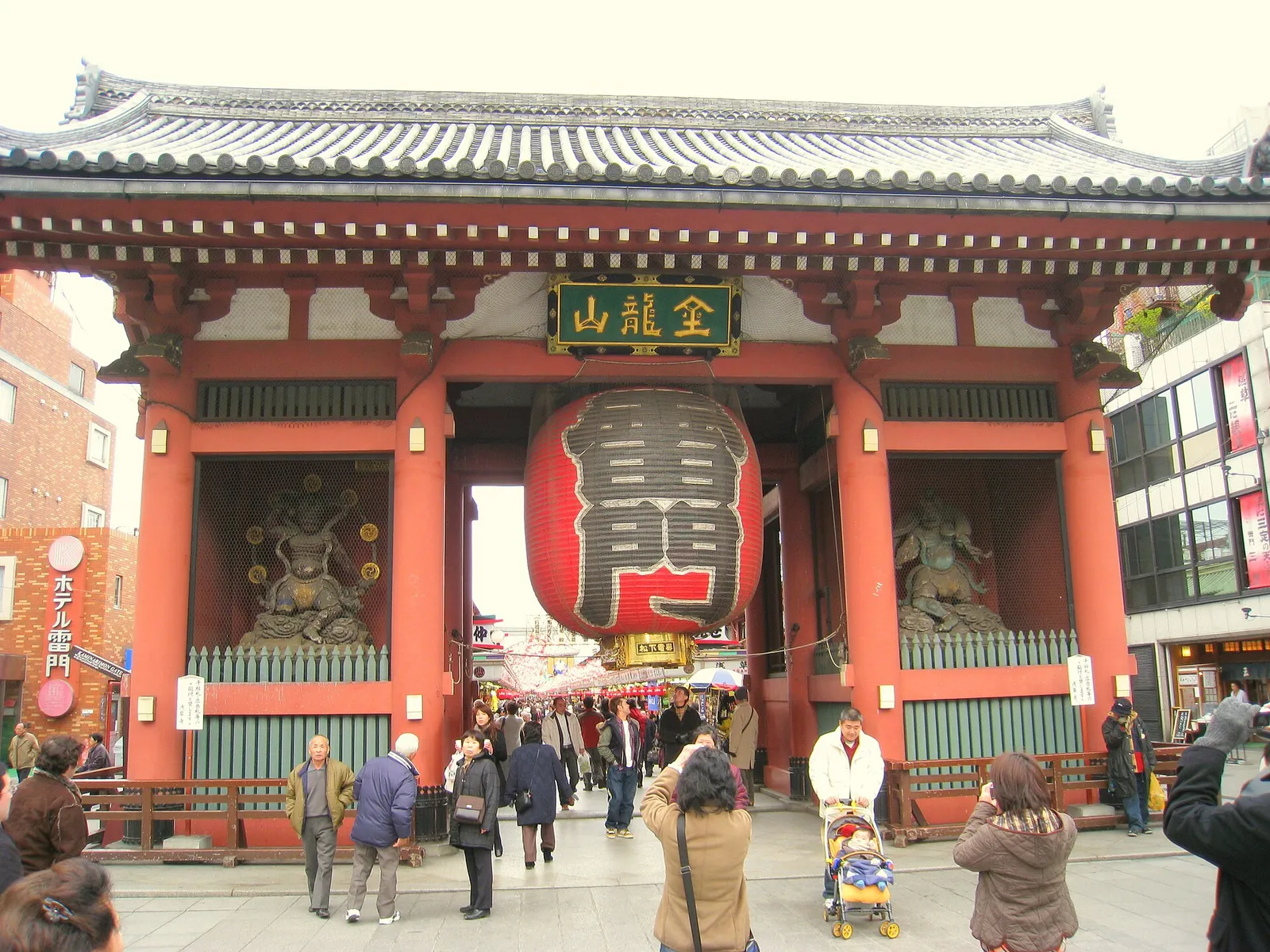
Temple and shrine etiquette with children in Japan
How to visit Japanese temples and shrines respectfully with kids — the difference between the two, the purification and prayer steps, photo rules, and keeping children engaged.
Temples and shrines are among the highlights of a Japan trip, and children are welcome at nearly all of them. A few simple, respectful steps make the visit smoother — and make good talking points for curious kids.
Shrine or temple?
Shinto shrines (jinja) have a torii gate at the entrance; Buddhist temples (tera) usually have a larger gate and often an incense burner. The etiquette overlaps, with small differences in how you pray.
At the entrance
At a shrine, it is customary to bow slightly at the torii gate and avoid walking straight down the centre of the path, which is considered the deity’s route. Kids can simply keep to the side.
Purification (temizu)
- Take the ladle in your right hand and rinse your left, then swap to rinse your right.
- Pour a little water into your left hand to rinse your mouth (don’t drink from the ladle), then let the ladle stand to rinse the handle.
- This is a lovely, calm ritual children can do carefully with help.
Offering and prayer
At a shrine, the common form is: a small coin in the box, two bows, two claps, a quiet moment, one final bow. At a temple you generally do not clap — place hands together quietly instead. There is no pressure to participate; watching respectfully is fine.
Photos and behaviour
Follow any “no photography” signs, especially inside halls and around worshippers. Keep voices low, don’t climb on structures, and give people at prayer space. Buying a colourful ema (wooden wish plaque) or omamori (charm) is a nice, respectful souvenir that keeps kids engaged.
Turn this into your itinerary
The planner builds a personalised, day-by-day version around your family.
Start planning →Common questions
- Are kids allowed in Japanese temples and shrines?
- Yes, almost always. Just keep them calm and quiet, follow photo rules, and steer them away from climbing on structures or running through prayer areas.
- Do we have to do the prayer ritual?
- No. Participating is welcome but entirely optional. Watching respectfully and keeping a calm, quiet manner is perfectly appropriate.
Related guides
Keep reading
Japan etiquette for families: the essentials, simply explained
The handful of Japanese etiquette basics that actually matter for families — trains, shoes, eating, rubbish and temples — and how to teach them to kids without stress.
4 min readDo you tip in Japan? A family’s quick etiquette guide
Tipping in Japan explained for families — why it is not expected, when a service charge applies, and what to do instead to show thanks.
5 min readTrain etiquette with kids in Japan
How to ride Japanese trains politely with children — noise and phones, priority seats, prams, queueing, and where eating is and isn’t okay.
5 min readCultural do’s and don’ts families should know in Japan
A friendly list of Japanese cultural do’s and don’ts for families — the small courtesies that matter, common mistakes to avoid, and how to teach them to kids.